

————————
HIDE AND SEEK (62A. Children’s game hinted at by the circled letters), along with the circled letters spelling READY OR NOT HERE I COME found in four otherwise unrelated answers constitutes the main feature of this fine Monday crossword. The four answers: BEARDED LADY (17A. Hirsute carnival attraction), SORTING OUT (24A. Trying to make sense of), THE WIRE (37A. Hit HBO series set in Baltimore) and NICK OF TIME (51A. Eleventh hour).Other — CARRY ME (4D. Request from a tired child), DEN MOTHER (11D. Scouting mission leader?), ESPRESSO (20A. Order of coffee in a small cup), HALF MILE (38D. One-third the length of the Belmont Stakes), HERESIES (59A. Inquisition targets), KING COBRA (31D. World’s longest venomous snake), RED RIVER (9D. 1948 John Wayne western).Mid-size — ADIEU, “You ARE SO stupid!”, ARRAY, ASK TO, AT ISSUE, AVERT and OVERT, BUNDT (13D. Kind of cake that’s ring-shaped), DARER (15A. Challenger), EGOISM, ELIAS Howe, GIMLI (47A. Dwarves’ representative in the Fellowship of the Ring), GUN IT, I HEAR and I GIVE and I’M EASY, LIENS, NERDS, MOSHER (48D. One in a pit at a concert), ODDS ON, RETRY, ROAMED, SABER, SATCH (1A. Nickname for Louis Armstrong), SEE IN, TRAPS, TRY ONE, VALOR, WAKEN, YARDS, YES NO.
Remaining clues — ACROSS: 6. Plain as day; 11. Apply with a cotton ball, say; 14. Table of data, e.g.; 16. School’s URL ending; 19. Writer Anais; 21. Roved; 23. Pink; 26. Apollo 11’s destination; 29. Arouse from sleep; 32. Computer file extension; 41. “Evil Woman” rock grp.; 42. Clark ___, Superman’s alter ego; 44. Lumberjack’s tool; 45. Gridiron units; 49. Skeptic’s rejoinder; 54. Rick’s love in “Casablanca”; 58. Cause of “I” strain?; 61. Chest bone; 64. TiVo, for one, in brief; 65. Inventor Howe; 66. Hit the accelerator; 67. Mediterranean, e.g.; 68. Hear again, as a case; 69. Simple kind of question. — DOWN: 1. Cavalry sword; 3. Pitfalls; 5. Jekyll’s alter ego; 6. Most likely to win, as a favorite; 7. Bravery; 10. Sign on a tray of samples; 12. “Goodbye, mon ami!”; 18. Gas brand with a tiger symbol; 22. Farming: Prefix; 25. Cab; 27. Province west of Que.; 29. Chinese cooker; 30. Lincoln, informally; 32. Rams fan?; 34. Obsolete; 35. Some boxing wins, for short; 39. Interstate sign with an arrow; 40. Ogle; 43. ___ torch (outdoor party lighting); 46. Up for discussion; 49. “Whatever you want”; 50. Capital of Switzerland; 51. “Study, study, study” types; 52. “Just tell me the answer”; 52. Start of a rumor; 55. Property claims; 56. Welcome at the front door; 57. Invite out for; 50. A little “out there, ” as humor; 63. Dah’s counterpart in Morse code.
Short stuff — ABE and AXE, AGRO, BERN, DAB, DIT, DVR, EDGY, EDU, ELO, ERA of Good Feelings, ESSO, EWE and EXE, EXIT, EYE, HYDE, I BET, ILSA, Clark KENT, KOS, MOON, NIN, OBI-Wan Kenobi, OH OK (33A. “Hmm, I guess so”), OLD, ONT, RIB, ROSY, SEA, TAXI, TIKI, WOK.
————————
Click on image to enlarge.
Puzzle available on the internet at
THE NEW YORK TIMES — Crossword Puzzles and Games.Remaining clues — ACROSS: 6. Plain as day; 11. Apply with a cotton ball, say; 14. Table of data, e.g.; 16. School’s URL ending; 19. Writer Anais; 21. Roved; 23. Pink; 26. Apollo 11’s destination; 29. Arouse from sleep; 32. Computer file extension; 41. “Evil Woman” rock grp.; 42. Clark ___, Superman’s alter ego; 44. Lumberjack’s tool; 45. Gridiron units; 49. Skeptic’s rejoinder; 54. Rick’s love in “Casablanca”; 58. Cause of “I” strain?; 61. Chest bone; 64. TiVo, for one, in brief; 65. Inventor Howe; 66. Hit the accelerator; 67. Mediterranean, e.g.; 68. Hear again, as a case; 69. Simple kind of question. — DOWN: 1. Cavalry sword; 3. Pitfalls; 5. Jekyll’s alter ego; 6. Most likely to win, as a favorite; 7. Bravery; 10. Sign on a tray of samples; 12. “Goodbye, mon ami!”; 18. Gas brand with a tiger symbol; 22. Farming: Prefix; 25. Cab; 27. Province west of Que.; 29. Chinese cooker; 30. Lincoln, informally; 32. Rams fan?; 34. Obsolete; 35. Some boxing wins, for short; 39. Interstate sign with an arrow; 40. Ogle; 43. ___ torch (outdoor party lighting); 46. Up for discussion; 49. “Whatever you want”; 50. Capital of Switzerland; 51. “Study, study, study” types; 52. “Just tell me the answer”; 52. Start of a rumor; 55. Property claims; 56. Welcome at the front door; 57. Invite out for; 50. A little “out there, ” as humor; 63. Dah’s counterpart in Morse code.
Source: donaldsweblog.blogspot.com
INTERESTING FACTS
-
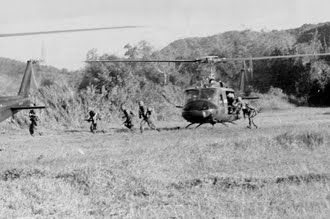 The Battle of Ia Drang was the first major battle between regulars of the United States Army and regulars of the People's Army of Vietnam (PAVN / NVA) of North Vietnam during the Vietnam War. The two-part battle took place between November 14 and November 18, 1965...
- The Ia Drang Valley is a valley located about 32 miles south west of Pleiku in the Central Highlands of Vietnam. It is mostly known for the Battle of Ia Drang that happened there during the early days (1965) of the Vietnam War.
INTERESTING VIDEO
19D -- Cavalry Scout
Army MOS 19D Cavalry Scout
Share this Post
latest post
-
 Mounted Units March 16, 2024
 -
 Scotland Yard careers February 15, 2024
 -
 Mounted Police Victoria January 16, 2024
 -
 Royal Canadian Mounted Police Horse December 17, 2023
 -
 North West Mounted Police November 17, 2023
 -
 Royal Canadian Mounted Police (RCMP) October 18, 2023
 -
 Mounted Police groom jobs September 18, 2023
 -
 Mounted Police uniform August 19, 2023
 -
 Upper Mount Gravatt Police Station July 20, 2023